

Table of Contents
- Why Durability Matters When Choosing Christian Shirts
- How to Identify a Good Quality Shirt Before You Buy
- Christian Shirt Fabric and Print Quality: What Actually Lasts
- Stitching Quality and Seam Construction Essentials
- Christian Apparel Sizing Guide: Fit for Comfort and Longevity
- Ethically Sourced Christian Apparel: Quality You Can Trust
- Your Shirt-Inspection Checklist: What to Look For
- How to Test Durability and Prevent Common Damage
- Frequently Asked Questions
Last Updated: October 21, 2026
Why Durability Matters When Choosing Christian Shirts
When you invest in Christian apparel, you're not just buying a shirt. You're choosing something you'll wear often, something that carries meaning. A shirt that falls apart after a few washes defeats that purpose. It wastes your money and frustrates you.
This guide shows you exactly how to choose durable Christian shirts that last. We'll walk you through the specific details that separate quality from cheap construction. By the time you finish reading, you'll know what to inspect, what to avoid, and how to get real value from your purchase.
How to Identify a Good Quality Shirt Before You Buy
Quality shows up in details. Before you spend money, learn what signals a shirt will last.
What to Check on the Product Listing
Start with the product description itself. A good listing tells you specific information about construction. Look for these details:
- Fabric weight, measured in ounces per square yard (oz/yd²). Higher weight means thicker, more durable fabric. Lightweight shirts (under 4 oz/yd²) wear thin quickly. Medium-weight (5-6 oz/yd²) offers good durability for everyday wear.
- Fabric content, 100% cotton or cotton blends. Check if it's organic cotton, which tends to hold up better. Avoid high polyester blends if durability matters to you.
- Stitching details, Look for mentions of double-needle stitching, reinforced necklines, or taped shoulders. These are signs of construction that lasts.
- Seam construction, Tubular knit bodies with no side seams reduce stress points where shirts typically fail.
- Print method, DTF (Direct-to-Film) or DTG (Direct-to-Garment) printing typically holds up well for detailed designs.
When a listing skips these details, it's a red flag. Quality manufacturers are proud of their construction and spell it out.
Red Flags That Signal Poor Construction
Certain warning signs tell you a shirt won't last. Watch for these:
- No fabric weight listed, If the brand doesn't mention oz/yd², they're probably using cheap, lightweight fabric.
- Vague descriptions, Phrases like "soft fabric" or "comfortable fit" without specific details suggest the brand cuts corners on construction.
- No mention of stitching, Quality shirts highlight their seam construction. Silence on this topic means basic, weak stitching.
- Extremely low price, Durability costs money. If a Christian shirt costs significantly less than competitors, the materials or labor are cut somewhere.
- Poor product photos, Blurry images, limited angles, or photos that don't show seam detail suggest the brand isn't confident in construction quality.
- No care instructions, Legitimate manufacturers provide detailed washing guidance. Missing instructions mean the brand didn't test durability.
Christian Shirt Fabric and Print Quality: What Actually Lasts
The fabric you choose determines whether a shirt survives months of wear or falls apart in weeks. Print quality matters just as much. Both affect how long your Christian apparel stays looking good.
Fabric Weight and Weave Construction
Fabric weight is the single best predictor of durability. Heavier fabric resists wear, holds its shape, and lasts longer. Lightweight shirts feel cheap and thin out quickly.
Here's what the numbers mean:
| Fabric Weight | Durability | Best For | Longevity |
|---|---|---|---|
| Under 4 oz/yd² | Low, thin, prone to pilling | Lightweight summer wear | 10-20 washes |
| 4-5 oz/yd² | Moderate, acceptable for casual wear | Basic everyday shirts | 30-50 washes |
| 5-6 oz/yd² | High, thick, holds shape well | Everyday Christian apparel | 50-100+ washes |
| Over 6 oz/yd² | Very high, heavy-duty | Work wear, heavy use | 100+ washes |
Medium-weight fabric (5-6 oz/yd²) strikes the right balance. The Rooted in Christ Women's Heavy Cotton Tee uses 5.3 oz/yd² fabric, putting it squarely in the durability sweet spot for everyday wear.

Weave construction also matters. Tubular knit construction (where the fabric is knitted in a tube rather than flat) reduces stress on seams.
Print Methods and How They Hold Up
Not all prints survive washing equally. The method used determines how long graphics stay crisp and vibrant.
DTF (Direct-to-Film) and DTG (Direct-to-Garment) printing apply ink directly to the fabric. These methods create detailed, durable graphics.
Screen printing pushes ink through a stencil onto fabric. It's durable for solid colors and simple designs. But detailed multi-color graphics can crack after repeated washing.
For faith-based designs with detailed elements (like scripture text or complex symbols), DTF or DTG is a good choice.
Stitching Quality and Seam Construction Essentials
Seams fail before fabric does. When stitching is weak, the shirt falls apart no matter how good the fabric is.
Look for these construction details:
- Double-needle stitching, Two parallel rows of thread instead of one. This doubles the strength of seams. Shirts with double-needle stitching survive hundreds of washes. Single-needle seams fail much sooner.
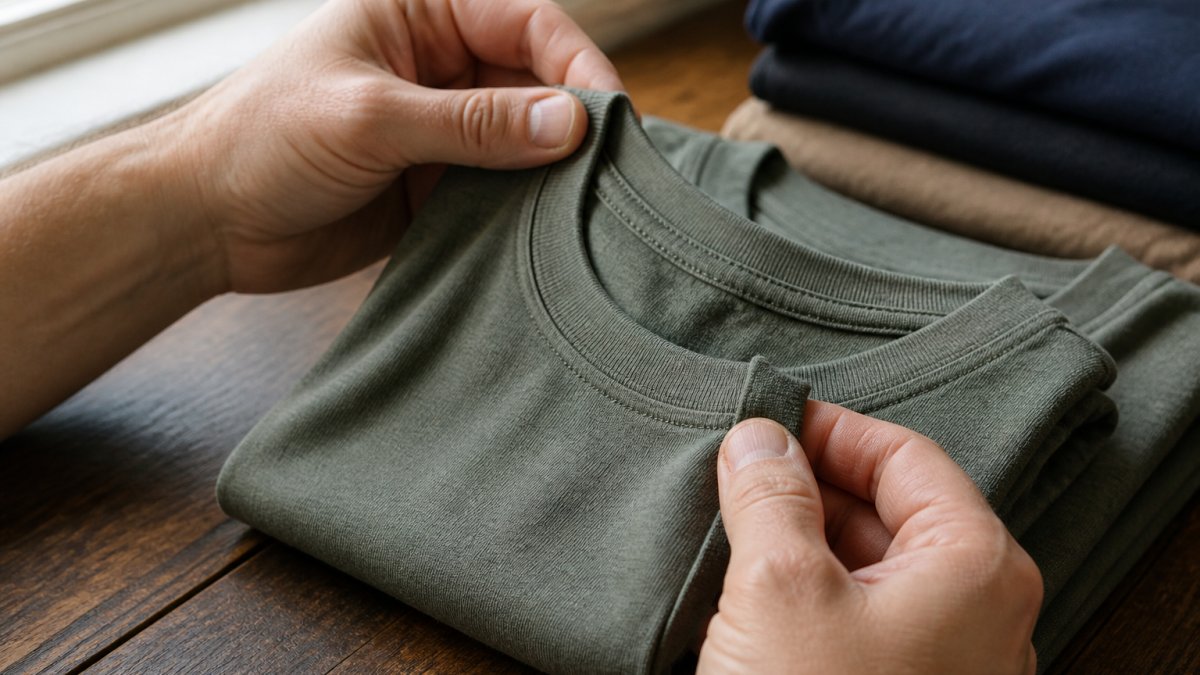
- Reinforced necklines, The collar area takes stress every time you pull the shirt on. Reinforced necklines use extra stitching or fabric tape to prevent stretching and tearing.
- Taped shoulders, Shoulder tape (twill tape sewn into the seam) prevents the neckline from stretching out of shape. This keeps the shirt looking good after dozens of washes.
- Seamless collar, A collar knitted as part of the body (not sewn on) eliminates a weak point. Seamless construction lasts longer than sewn collars.
The SAVED NOT SOFT Men's Comfort Colors Garment-Dyed T-Shirt includes double-needle stitching throughout, plus a tubular knit body with no side seams. This combination means fewer stress points and stronger thread at every seam.

When you inspect a shirt in person, feel the seams. Strong stitching feels tight and even. Weak stitching feels loose or uneven. If seams look or feel sloppy, the shirt won't last.
Christian Apparel Sizing Guide: Fit for Comfort and Longevity
Proper fit extends a shirt's life. A shirt that's too tight stretches seams prematurely. One that's too loose bunches and wears unevenly.
Check the size chart before buying. Every brand measures differently. A medium from one maker might fit like a large from another. Good brands provide detailed measurements:
- Width at the chest
- Length from shoulder to hem
- Sleeve length from center back
- Size tolerance (how much variation is acceptable)
Wear your shirt as intended. If it's meant for everyday casual wear, don't use it for heavy work or exercise. Proper use keeps seams intact and fabric from thinning.
The HE DIED FOR THE FOLLOW Men's Comfort Colors Garment-Dyed T-Shirt comes in sizes S to 4XL, with detailed measurements for each size. This range ensures you find a fit that won't stress seams through stretching.
Rooted in Christ, Women's Heavy Cotton Tee →

Ethically Sourced Christian Apparel: Quality You Can Trust
Where a shirt is made and how workers are treated affects its quality.
Brands that prioritize fair labor practices invest in worker training and quality control. Ethical sourcing also often means using quality fabrics and materials.
Look for certifications like Oeko-Tex, which verifies that fabrics are made without harmful chemicals and under safe working conditions.
KingdomLooks sources Christian apparel from manufacturers who meet these standards.
When you buy ethically sourced Christian shirts, you're investing in something that lasts. The upfront cost is higher, but the durability pays off over time.
Your Shirt-Inspection Checklist: What to Look For
Before you buy, use this checklist to evaluate durability:
- Fabric weight is listed (aim for 5+ oz/yd²)
- Fabric content is 100% cotton or high-quality cotton blend
- Double-needle stitching is mentioned
- Reinforced neckline or taped shoulders are noted
- Seam construction details are provided (tubular knit, no side seams)
- Print method is specified (DTF or DTG preferred)
- Care instructions are clear and detailed
- Size chart includes specific measurements
- Ethical sourcing or certifications are mentioned
- Product photos show seam and construction detail
- Reviews mention durability and longevity
- Brand provides a quality guarantee or return policy
Use this checklist every time you shop for Christian apparel. It takes two minutes and prevents buying shirts that won't last.
How to Test Durability and Prevent Common Damage
Once you own a durable Christian shirt, protect your investment through proper care and testing.
Care Instructions That Protect Your Investment
Follow these practices to extend your shirt's life:
- Wash in cold water, Hot water weakens fabric fibers and fades prints faster. Cold water preserves both.
- Use mild detergent, Harsh chemicals break down fabric and fade graphics. Choose gentle, faith-friendly brands if you prefer.
- Turn the shirt inside out, This protects the print from direct friction and fading.
- Avoid the dryer when possible, Air drying preserves fabric elasticity and prevents shrinkage. Dryers create heat stress that weakens seams.
- Dry on low heat if you must use a dryer, High heat damages both fabric and print durability.
- Don't bleach, Bleach breaks down fabric fibers and creates weak spots.
- Iron on low heat, High heat can crack prints and damage fabric.
The SAVED NOT SOFT Men's Comfort Colors Garment-Dyed T-Shirt includes specific care instructions: machine wash cold, tumble dry low heat, no bleach, no dry cleaning. Follow these exactly. They're designed specifically for that shirt's construction.
What Causes Fading, Shrinkage, and Print Wear
Understanding what damages shirts helps you prevent it:
Fading happens because:
- Hot water breaks down dyes and opens fabric fibers, allowing color to escape
- Chlorine (in tap water) bleaches fabric
- UV exposure (sunlight) fades prints over time
- Harsh detergents strip color from both fabric and ink
Shrinkage occurs when:
- High heat causes fabric fibers to contract
- Wet fabric is exposed to heat in the dryer
- Fabric isn't pre-shrunk before manufacturing (quality brands pre-shrink)
Print wear develops from:
- Friction during washing (prints rub against other clothes)
- Flexing of the fabric (repeated bending at the chest or shoulders)
- Weak ink adhesion (inferior print methods)
- Incorrect washing temperature or detergent
Quality construction resists these problems, but proper care extends durability even further.
The difference is in your hands. Choose durable Christian shirts, then treat them right.
Choosing durable Christian shirts means paying attention to details most buyers miss. You need to know what fabric weight means, why stitching quality matters, and how print methods affect longevity.
KingdomLooks makes this easier. Both are designed to last through hundreds of washes while keeping your faith message crisp and clear. Shop all new and find Christian apparel built to stay with you.
Frequently Asked Questions
How can you tell if a Christian shirt is good quality before buying?
Check the fabric weight (aim for 5+ ounces per square yard for durability), look for double-needle stitching on seams, and verify the print method, DTF and DTG prints last longer than screen printing. Read product descriptions for fabric content (100% cotton or cotton blends are more durable), and confirm the brand uses reinforced necklines and tubular construction. Look for sizing details and care instructions, which signal transparency. Brands like KingdomLooks list these specifications upfront, helping you assess durability before purchase.
What fabric weight makes a Christian shirt more durable?
Heavyweight fabrics (5.3 ounces per square yard or higher) resist pilling, fading, and wear better than lightweight options. Medium-weight fabrics (around 5 oz/yd²) offer a balance of durability and comfort for everyday wear. Heavier fabrics also hold prints better and maintain their shape through repeated washing. When shopping for durable Christian shirts, prioritize products that specify fabric weight in their listings, this transparency indicates quality focus.
How do you prevent a printed Christian shirt from fading or cracking?
Wash in cold water (maximum 30°C/90°F), avoid bleach, and tumble dry on low heat or air dry. Turn the shirt inside out before washing to protect the print. Skip the dryer when possible, as heat accelerates fading and can crack DTF/DTG prints. Iron on low heat if needed. Checking the print method before buying matters. Following care instructions extends the life of both fabric and design.
What makes ethically sourced Christian apparel worth the cost?
Ethically sourced shirts use responsibly grown cotton, fair labor practices, and transparent supply chains. While prices may be slightly higher upfront, they offer quality for your faith-based wardrobe.